
Industrial resource recovery | Melbourne, Australia
The circuit ends. The value does not.
NCRS is developing controlled recycling pathways for spent cyaniding elution filters and end-of-life activated carbon from gold-processing operations.
Pilot and commercial validation
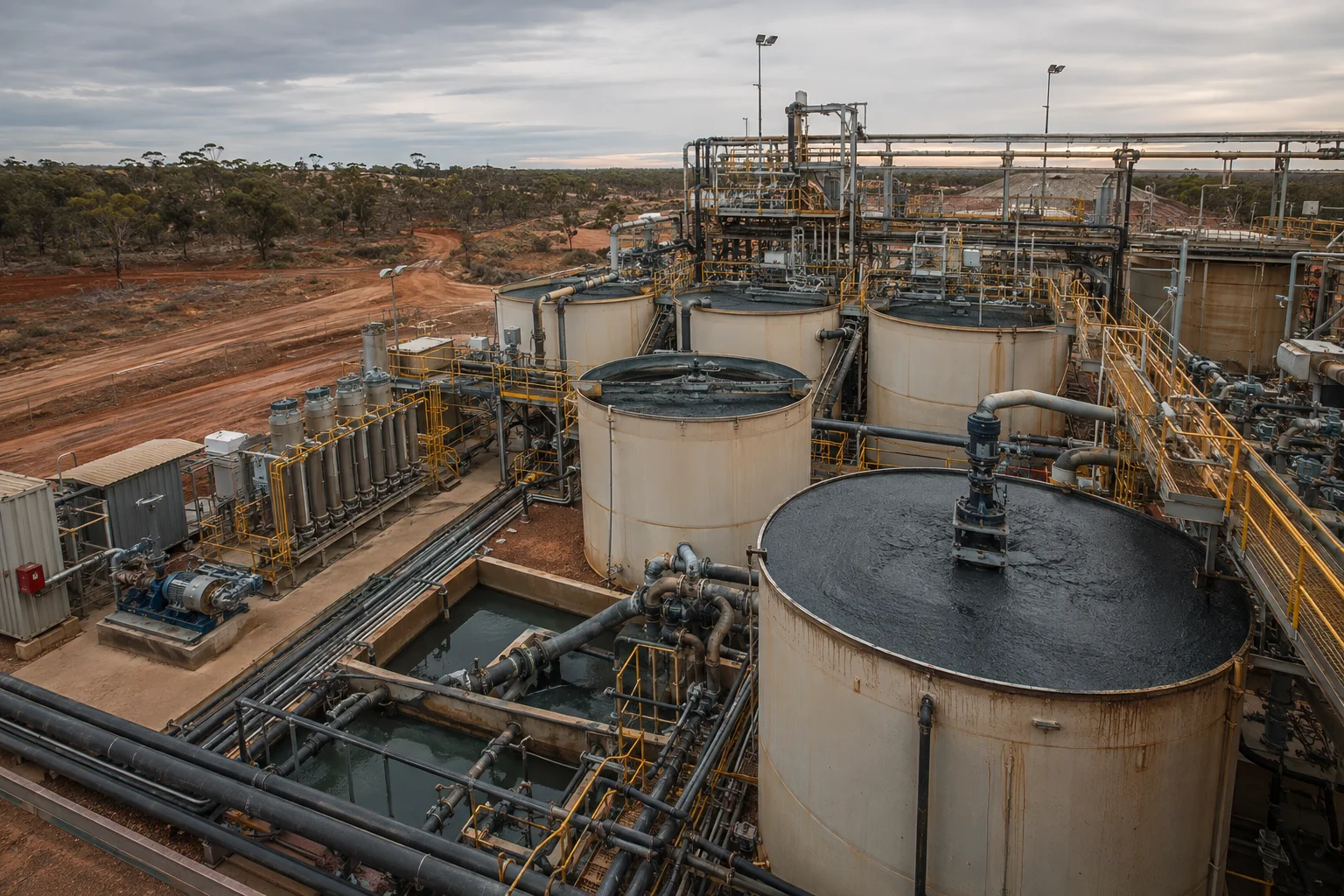
The operating problem
Storage is not resolution.
Spent cyaniding elution filters and end-of-life activated carbon can remain a handling, environmental and reporting burden long after their first service life ends.
Reduce a persistent liability
A controlled recycling pathway can move suitable material beyond indefinite storage while keeping safety and environmental responsibilities explicit.
Verify the treatment outcome
Post-treatment verification can confirm residual cyanide destruction against the agreed test method and reporting basis.
Create a reporting trail
Custody, mass-flow, energy and emissions records provide practical inputs for environmental and ESG reporting, including applicable Scope 2 disclosures.
A controlled pathway
From evidence to a responsible next use.
Four decision gates keep material, responsibility and expectations aligned from first review to downstream outcome.
01
Assess
Review source, history, classification, composition and handling requirements.
GateInformed suitability
02
Accept
Agree the declared material, custody controls, intake conditions and responsibilities.
GateControlled intake
03
Transform
Process accepted material within defined operating, safety and environmental boundaries.
GateManaged treatment
04
Recover
Direct suitable outputs toward responsible downstream recovery and circular pathways.
GateDocumented outcome
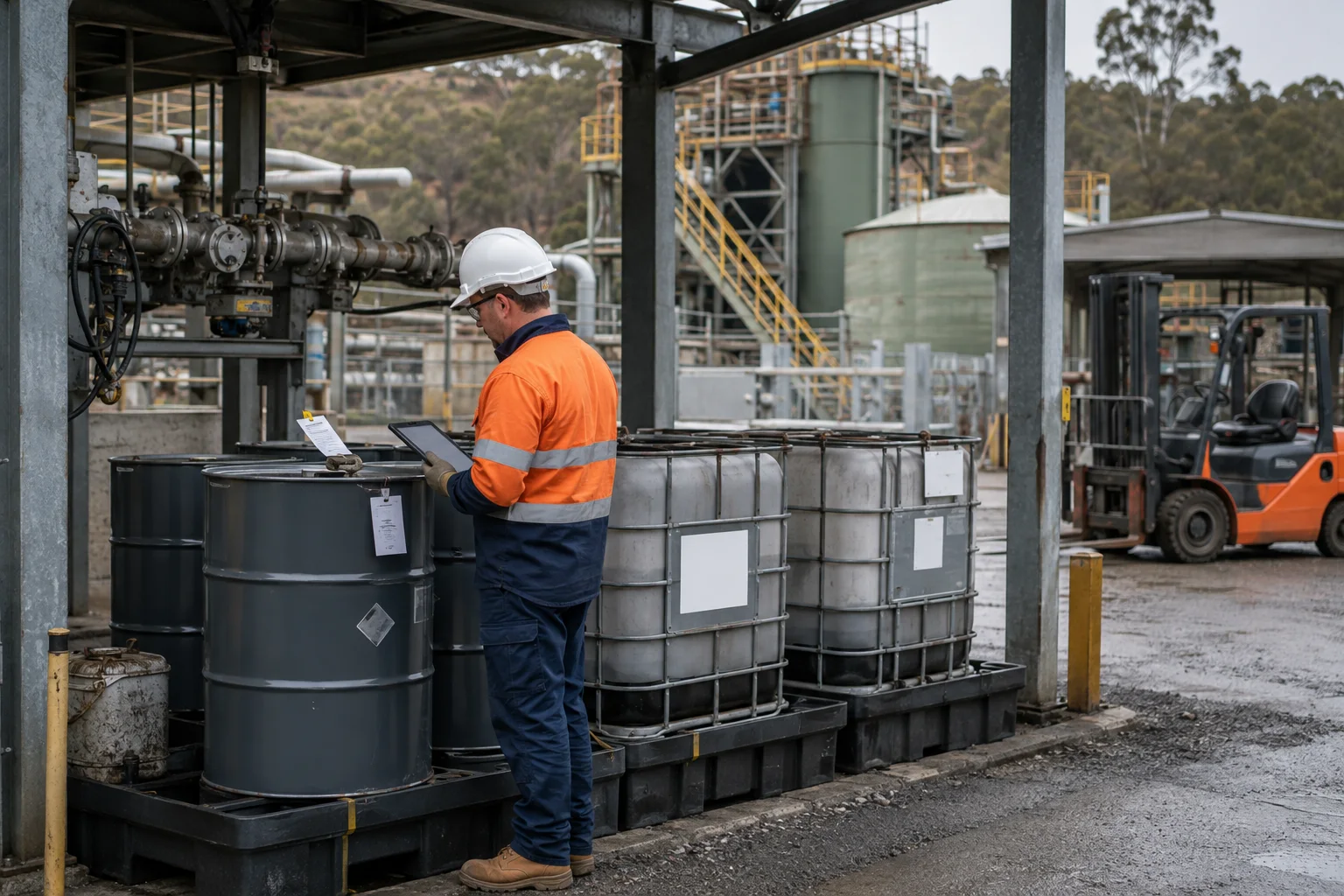
Environmental evidence
A treatment pathway should leave a usable record.
- Chain of custodyReceipt, source, identity and movement records follow accepted material.
- Treatment recordThe agreed processing scope and resulting material status are documented.
- Residual cyanide verificationPost-treatment testing can confirm destruction against the agreed method and reporting basis.
- Reporting inputsMaterial, mass-flow, energy and emissions data can support environmental and ESG reporting, including applicable Scope 2 disclosures.
Reporting scope and methods are agreed for each project. NCRS provides treatment evidence and data inputs, not an assurance opinion or a substitute for customer reporting obligations.
Current stage / 2026
Selective by design.
NCRS is at pilot and commercial-validation stage. We are holding focused discussions with potential commercial pilot customers and technical partners.
We are not accepting routine commercial loads. Every enquiry begins with a confidential, case-specific assessment of material, evidence and operating fit.